
Data Collection Terminals
Data Collection Terminals for Automated Inventory and Asset Management
Modern companies demand accuracy, speed, and transparency when managing assets. Traditional inventory methods with manual data entry are outdated: they are slow, error-prone, and resource-intensive. The effective solution lies in Data Collection Terminals (DCTs), which, when combined with QR Asset Management software, transform inventory into a fast, convenient, and reliable process.
What Are Data Collection Terminals?
Data Collection Terminals (DCTs) are specialized devices designed for scanning, processing, and transferring information. They may be handheld, stationary, or integrated into production lines.
Key technologies supported by modern DCTs include:
- Barcode scanning
- QR code recognition
- RFID tag reading
- GPS navigation and wireless connectivity for database synchronization
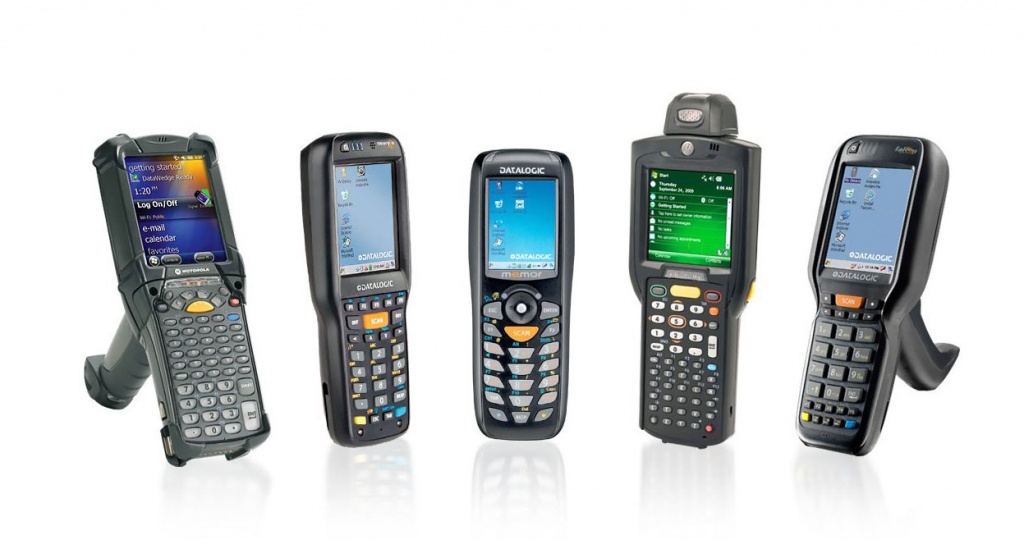
Advantages of Using Data Collection Terminals
Adopting DCTs in asset inventory provides businesses with significant benefits:
- Accuracy — barcode and QR scanning minimizes human error.
- High speed — batch scanning is much faster than manual entry.
- Real-time data — synchronization with servers and ERP ensures up-to-date records.
- Versatility — DCTs work even in offline environments.
- Cost savings — automation reduces staff time and asset losses.
RFID-Enabled Data Collection Terminals
A key advantage of modern DCTs is RFID support:
- RFID enables simultaneous reading of multiple tags, greatly accelerating inventory.
- Unlike barcodes, RFID does not require direct visibility — data can be read from several meters away.
- With QR Asset Management mobile integration, RFID terminals allow real-time tracking and frequent spot checks for maximum control.
Barcode and QR Code Terminals
Barcodes and QR codes remain the most common labeling methods for asset tracking.
Business Benefits:
- Simple and universal asset identification
- Automated data input with reduced errors
- Seamless integration with ERP systems
While smartphones can scan codes, professional DCTs with built-in scanners deliver faster, more reliable results for large-scale operations.
Choosing the Right Data Collection Terminal
When selecting a DCT to work with QR Asset Management, businesses should consider:
- Supported code types (barcode, QR, RFID)
- Device durability and resistance to environmental factors
- Compatibility with asset management software
- Battery life for uninterrupted work shifts
Benefits of Data Collection Terminals with QR Asset Management
- Full integration — DCT data automatically syncs with QR Asset Management and ERP systems.
- Faster inventory — batch scanning and instant synchronization reduce workload.
- Flexible deployment — supports a wide range of devices, from entry-level to industrial models.
- Reliable asset tracking — eliminates manual entry errors.
- Optimized costs — saves staff time and lowers operational expenses.
Conclusion
Data Collection Terminals are an essential tool for companies striving for accurate and transparent asset management. Combined with QR Asset Management software, they enable automated inventory, minimize risks, and maximize efficiency.
Organizations that integrate QR Asset Management with DCTs gain a strategic advantage: faster audits, reduced errors, and full visibility of assets across all operations.